Topics
The Role of
Traditional Knowledge Management Systems
Traditional Knowledge Management Systems
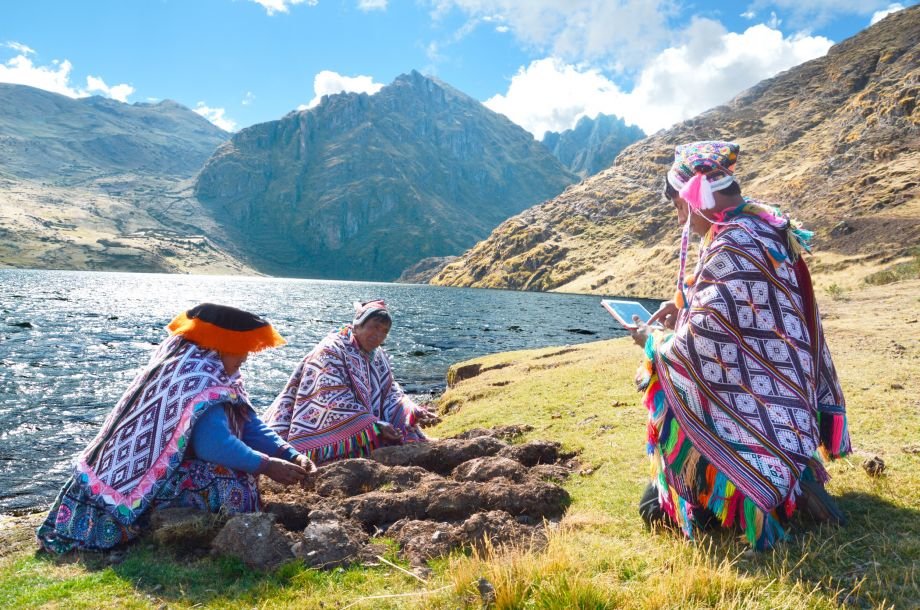
Despite the resilience demonstrated by traditional resource management systems, indigenous peoples tend to be removed from research, policymaking and planning processes for climate change adaptation. The absence of local participation and bottom-up planning processes presents the risk that climate change adaptation policies will be misaligned with local needs, environments and micro-politics and result in inappropriate decision-making.
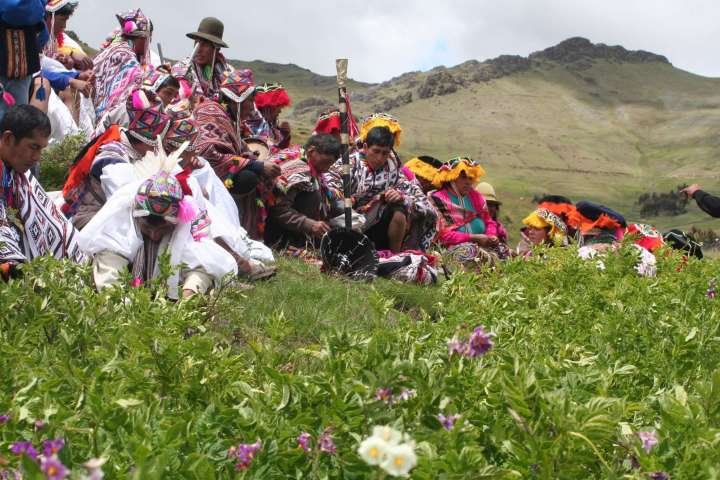
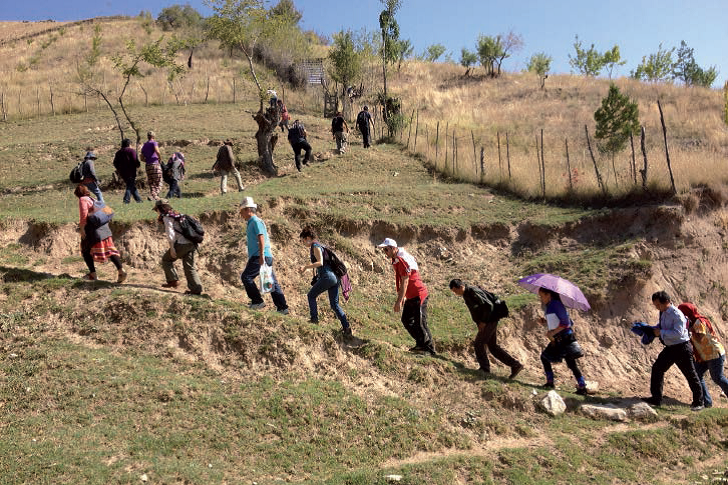
The characteristics of mountain agro-ecosystems require place-based adaptation approaches that integrate mountain-specific strategies, research and knowledge, use participatory techniques and link traditional knowledge and science. INMIP seeks to address these challenges through knowledge exchange and walking workshops that provide place-based evidence to inform decision making, while strengthening the adaptive capacity of mountain communities and spreading effective tools. International network building is an important tool to enable mountain communities to sustain traditional knowledge systems that support genetic diversity and ecological resilience.
[1] UNFCCC (2015). Adoption of the Paris Agreement. Conference of the Parties, Twenty-first session, Paris, 30 November to 11 December 2015. https://unfccc.int/resource/docs/2015/cop21/eng/l09r01.pdf
[2] IPCC (2014) Fifth Assessment Report, Working Group II “Impacts, Adaptation and Vulnerability: Part A Global and Sectoral Aspects”, Intergovernmental Panel on Climate Change. http://ipcc-wg2.gov/AR5/images/uploads/WGIIAR5-PartA_FINAL.pdf