
Topics
Climate Change and Water Resources
Traditional Water Management Systems
Traditional Water Management Practices
A Closer Look into Traditional Water Management Practices in Stone Village, China
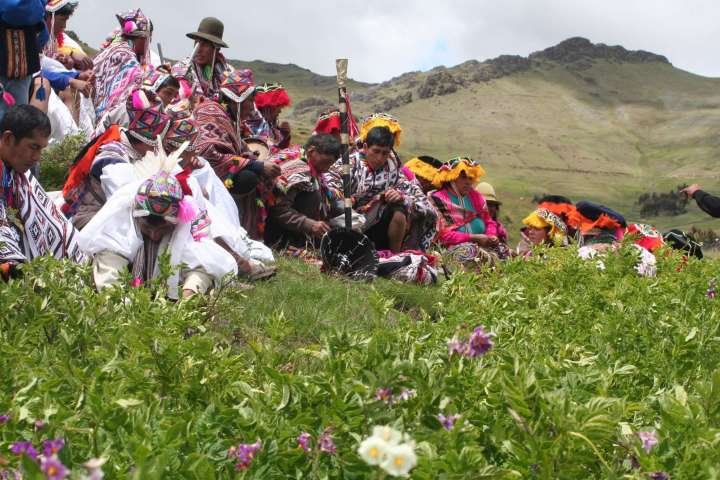
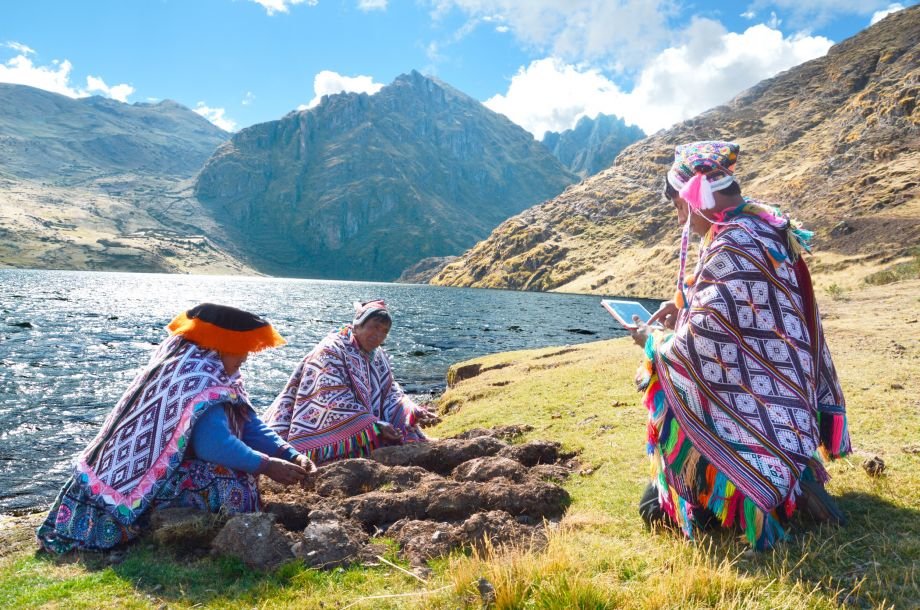
The Third Horizontal Learning Exchange was held in the ancient Naxi capital of Stone Village, China, in May 2016, where more than 50 indigenous peoples and traditional farmers representing 18 mountain communities from China, Nepal, Kyrgyz Republic, Tajikistan, and Peru gathered to assess the effectiveness of biocultural heritage-based approaches for climate adaptation and to share key methods and tools for adaptation.
During the international conference, mountain communities called for support to strengthen traditional natural resource management systems, especially those of water management. The Stone Village Declaration highlights the importance of incorporating both traditional and modern water management practices to produce effective, low-cost solutions to detrimental climate change impacts as alternatives to energy-intensive modern technologies.
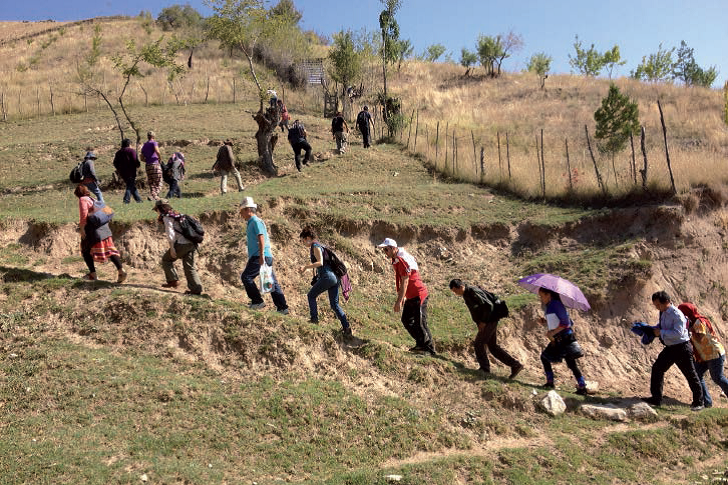
The traditional water management system has evolved over more than 1000 years of history and is as old as the village itself. According to village leaders, the Stone Village was hit by drought nine years out of the last ten; however, the efficiency of the water management system – through terraces and irrigation – has prevented true water scarcity. Neighboring villages without customary water management systems have been more severely affected. The water management system provides water for drinking, irrigation, and fire control, and uses gravity to transport water and ancient water channels for irrigation, which were lined with cement in the 1990s to make the water travel faster from the water source in the mountain.
The Stone Village ancient water management system provides water for drinking, irrigation, and fire control to 14 villages in the watershed. Customary laws ensure fair water allocation to all households, both day and night, depending on their location in the valley. This system has prevented water scarcity and conflict despite recurring drought in the region for nine years out of the last ten, whereas neighboring villages without such a system have been more affected by drought. The Stone Village water system is overseen by a water management committee and integrates related cultural rituals.
During the Learning Exchange, several other participating communities reported water shortages and shrinking glaciers in recent years, as well as presented on similar traditional water management systems, providing further evidence of their importance for coping with water shortages and preventing conflicts and for climate adaptation locally and more widely.