Topics
Topics
Biocultural Heritage Landscape and Territories
Biocultural Heritage Landscape and Territories
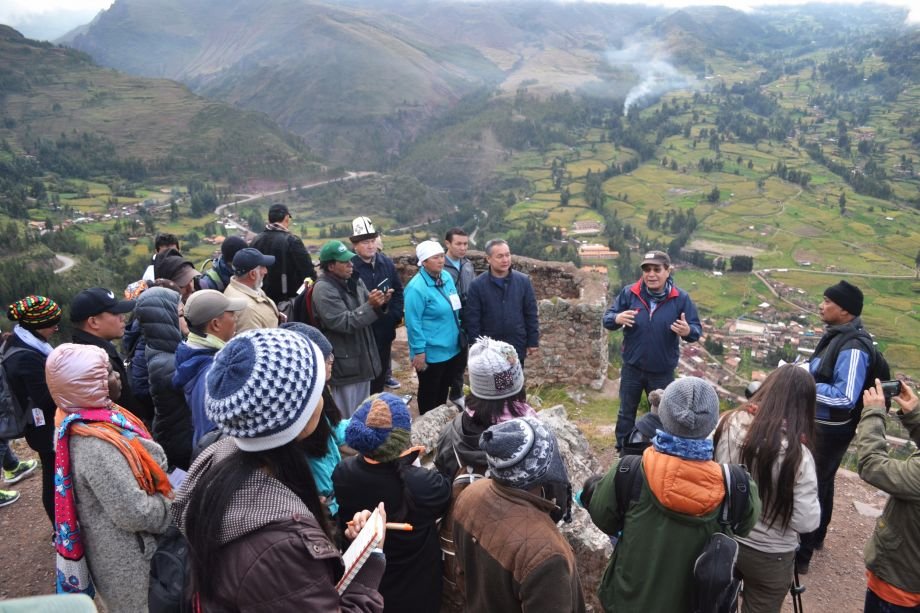
The vision for BCHTs has grown from the experience of the Potato Park in Peru. Mariano, a farmer from the Potato Park, explained that the Potato Park has three main components: food and livelihoods, agrobiodiversity conservation, and land rights. There are six communities in the Potato Park, and the community presidents have formed a legally recognized association. There is a management group that meets every two months to evaluate progress and to make decisions on next steps. The Potato Park also contains areas of experimentation and innovation for climate adaptation. Their revenues from eco-tourism are growing. The microenterprise groups bring the different communities together to share knowledge, and income is invested in a communal fund. All the rules for the Potato Park are based on customary laws, and has a collective land title, and rights to all natural resources above the soil. The concept of the Potato Park reflects the holistic worldview of the Quechua peoples in the Andes, as well as of other communities.